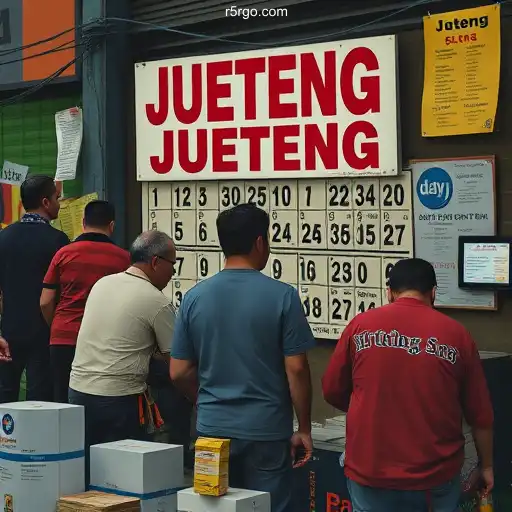
Understanding Jueteng: A Deeper Insight into an Illicit Game of Chance
Jueteng is a deeply rooted numbers game that holds a notorious reputation in the Philippines. Its origins trace back to the Spanish colonial period, where it was introduced as a means of gambling among the working class. Over the years, Jueteng has evolved into a complex underground industry that continues to thrive despite efforts to curb its spread.
The Basics of Jueteng
At its core, Jueteng is a numbers game similar to a lottery. Players wager on the combination of two numbers, usually ranging from 1 to 37. Bets are placed with authorized "cobradores" or collectors, who then transmit these to "cabo", responsible for collecting all batched bets and reporting them to the game manager or "jueteng lord". Results are typically drawn twice daily, with winners receiving a payout that can rise significantly higher than their bets.
Why Jueteng Thrives
Jueteng's resilience is largely attributed to its deep social integration and the economic relief it provides to impoverished communities. The low entry cost and promise of high returns make it attractive to those struggling financially. Unlike regulated gambling activities, Jueteng requires no formal barriers, enticing a broader audience seeking opportunities for quick income.
The Illicit Underpinnings
Despite its illegality, Jueteng persists due to a complex system of corruption and protection that involves local politicians and law enforcement officials. In exchange for a cut of the profits, some officials turn a blind eye to Jueteng operations, allowing them to run unchallenged. This intricate network of collusion often involves significant sums of money, making any attempts at dismantling it a formidable task.
The Economic Impact
Jueteng has a vast underground economy that parallels legitimate fiscal systems. The money generated circulates within the community, covering essential needs and sometimes even funding public works. Despite its potentially positive economic impact, the money remains unregulated and untaxed, depriving the government of potential revenue that could be invested in public services.
Legal Efforts and Challenges
The Philippine government has launched various initiatives to curb Jueteng. These efforts range from legal crackdowns to offering alternative employment opportunities in affected areas. However, the entrenched social and political ties surrounding Jueteng often undermine these initiatives, leading to a cyclical pattern of suppression and resurgence.
The Role of Technology
In the digital age, Jueteng operators have adapted to using new technologies. Mobile phones and online platforms facilitate faster and more discreet betting procedures. This modernization complicates the authorities' efforts to track and dismantle Jueteng rings, as transactions become less visible.
R5R.Com Descubra o Melhor dos Jogos Online Brasileiros Hoje Mesmo 👉R5R
Amidst traditional gambling frameworks like Jueteng, the digital landscape is burgeoning with legal online gaming alternatives, such as those offered by platforms like R5R.Com. These platforms present innovative solutions for regulated betting activities, ensuring safety and legal compliance. Players are increasingly shifting to such digital options as they promise transparency and better security compared to traditional illegal games.
The Cultural Significance
Beyond its economic implications, Jueteng holds significant cultural meaning within Filipino society. For many, participation in Jueteng is a social activity that fosters community bonds. Jueteng draws its participants from all walks of life, from the everyday laborer to local elite, reflecting both a shared gamble against fortune and an unwritten social code binding communities together.
Future Prospects
The future of Jueteng remains uncertain as government leaders grapple with balancing enforcement and addressing socioeconomic drivers that fuel its existence. Ongoing discussions about legalizing and regulating Jueteng to generate taxable income and ensuring fair play further add complexity to the narrative.
In conclusion, Jueteng is more than just a gambling activity; it is a microcosm of societal challenges, reflecting issues of poverty, governance, and cultural identity that persist across generations. Whether its fate leads towards legalization or an effective eradication, Jueteng will continue to be a talking point, symbolizing the perpetual battle between traditional practices and modern regulations.